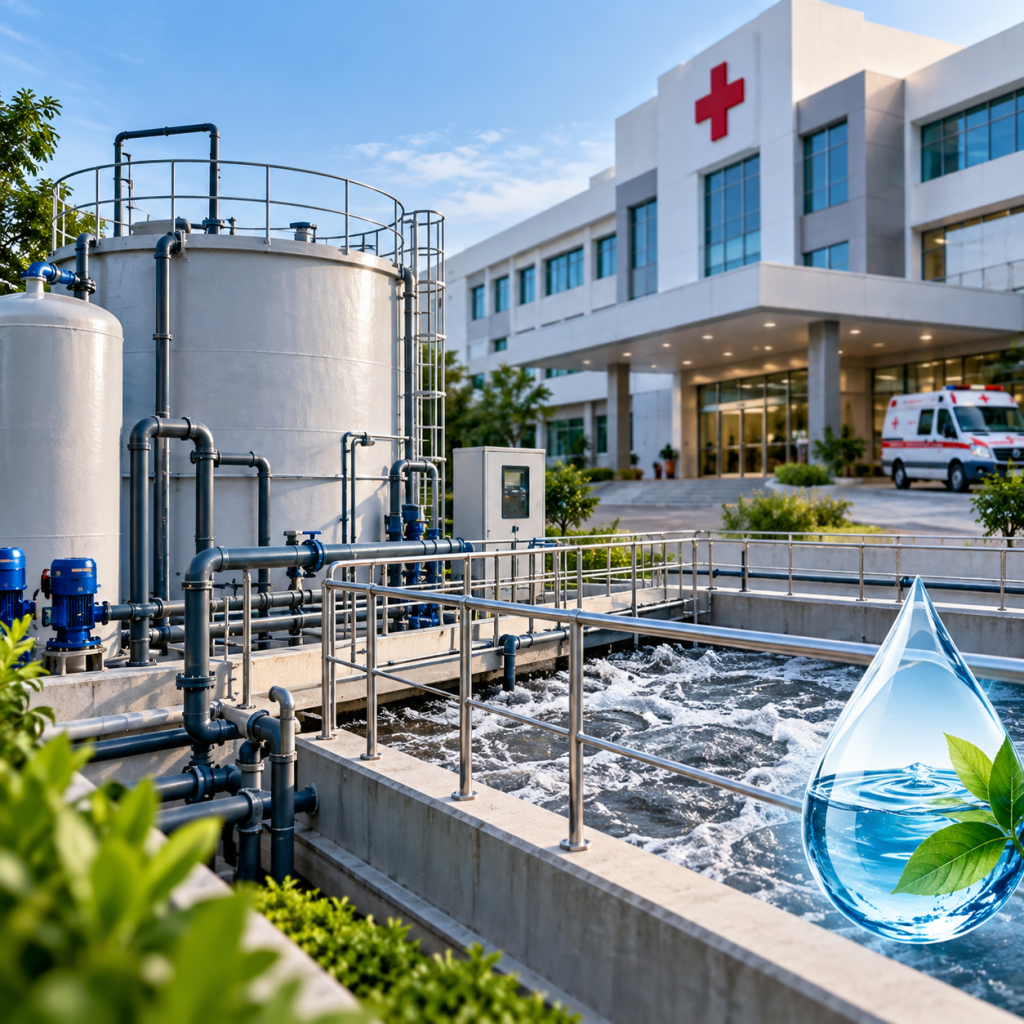
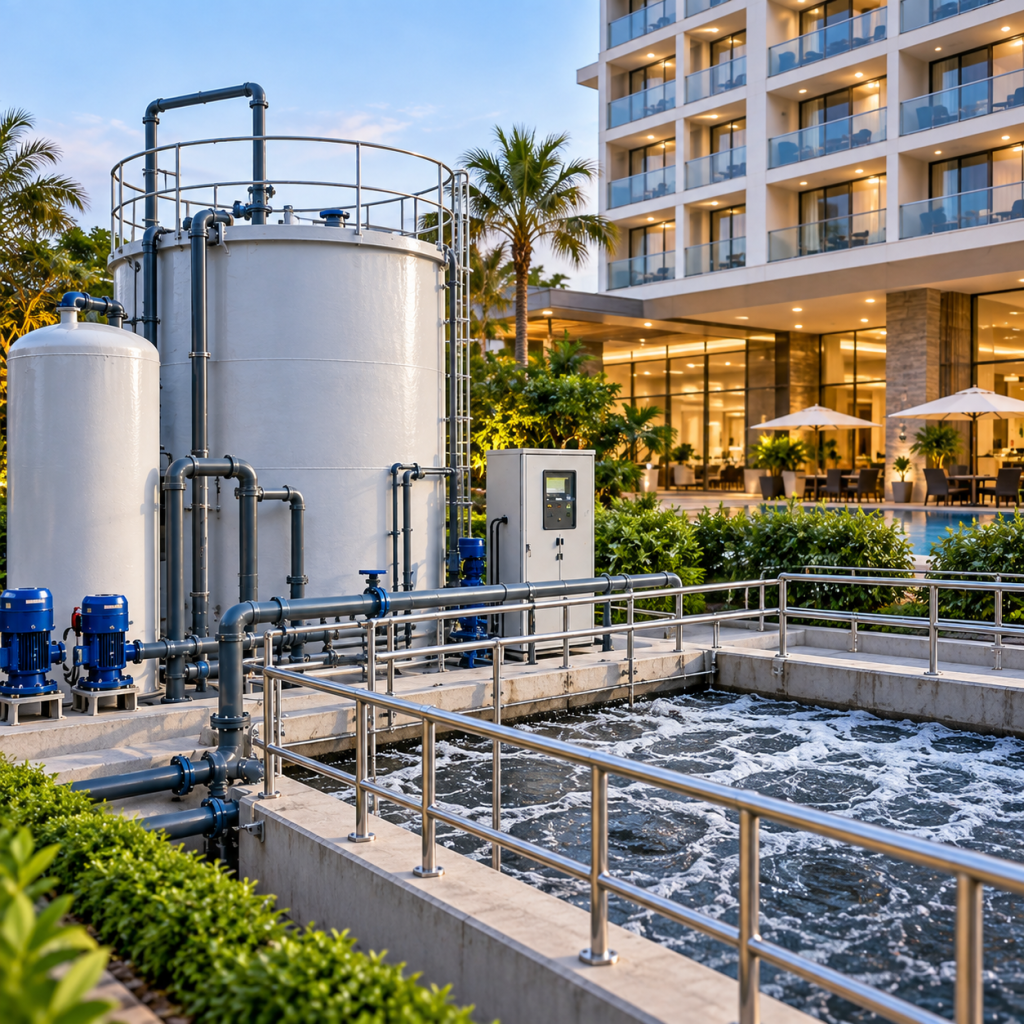
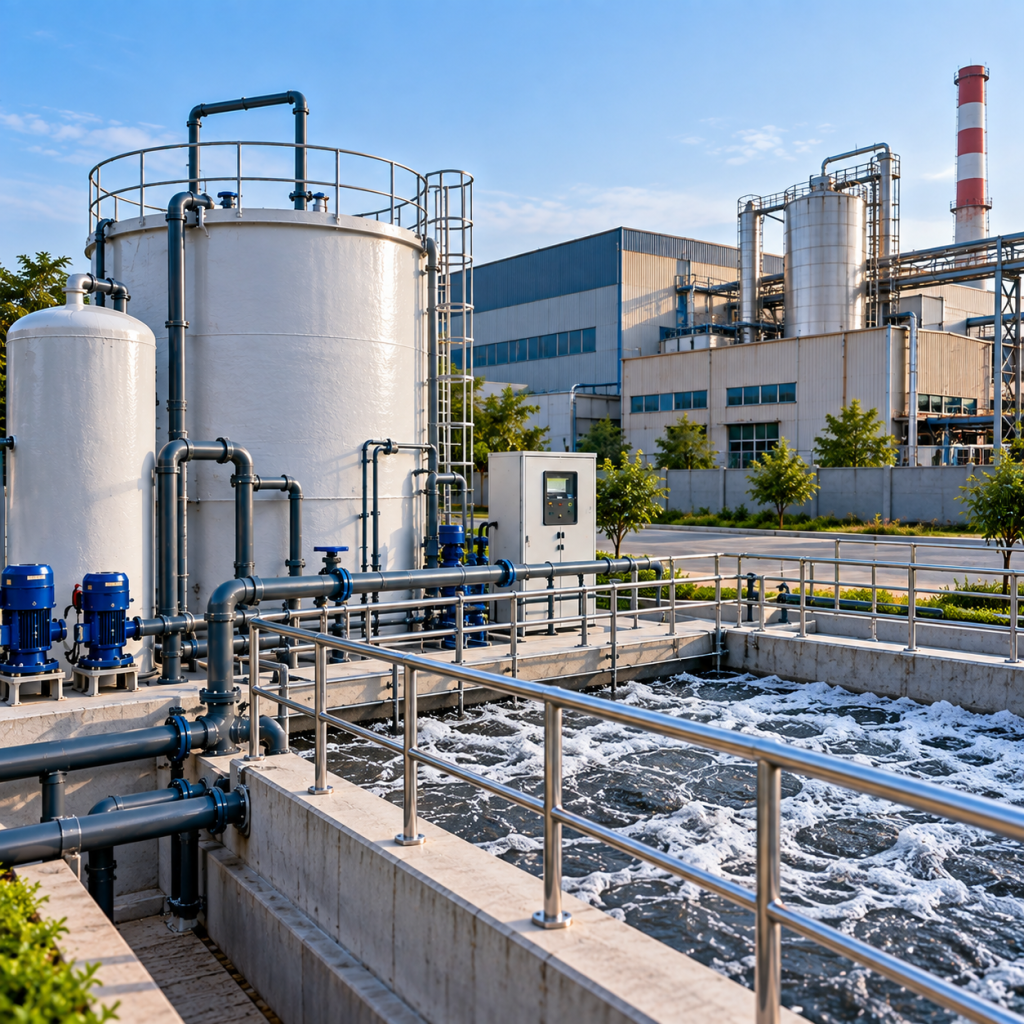
The design process considers sewage flow, treatment capacity, site conditions, available space and treated-water requirements. A suitable treatment configuration is planned according to the specific application, helping create a practical and efficient sewage treatment system.
Proper engineering helps coordinate treatment stages, equipment and plant layout from the beginning. This approach supports smoother installation, easier operation and better suitability for the facility's present requirements and potential future wastewater-treatment needs.
Customized sewage treatment plants can be manufactured according to project capacity, treatment requirements, site conditions and selected process configuration. The system is developed to suit residential, commercial, institutional and industrial applications with different wastewater-treatment requirements.
Manufacturing involves integrating treatment units, equipment and associated components according to the planned design. Proper fabrication and component integration help create a dependable treatment system that can be installed and operated according to project requirements.
STP installation involves positioning treatment equipment, connecting pipelines and integrating different plant components according to the approved system design. Site conditions, accessibility and available space are considered during the installation process to support proper implementation.
A coordinated installation helps ensure that individual treatment stages and equipment function together as intended. Proper connections, equipment placement and site execution can contribute to smoother plant operation and simplify future inspection and maintenance activities.
Commissioning is carried out after installation to prepare the sewage treatment system for regular operation. It includes checking equipment, connections and important plant components while reviewing the overall functioning of the installed treatment system.
The commissioning stage helps identify potential installation or operational issues before routine use begins. System checks and operational reviews can also help establish a better understanding of the plant's operating requirements and treatment processes.
Regular operation and maintenance are important for keeping an STP functioning effectively over time. Routine activities can include equipment inspection, cleaning, servicing, process monitoring and identification of issues that may affect plant performance.
A structured maintenance approach can help reduce avoidable equipment problems and support consistent plant operation. Maintenance requirements should be planned according to the treatment technology, equipment configuration, operating conditions and specific requirements of the facility.